
- The UAE Fire and Life Safety Code of Practice is a living document; the 2024 changes are amendments and annexures on the 2018 edition, not a brand-new book.
- Existing buildings are not forced to strip their cladding, but any facade replacement or major refurbishment must use certified, non-combustible systems.
- Fire-rated materials increasingly need a Dubai-specific certificate of conformance, not just a foreign test report.
- Installers, consultants and material suppliers must be registered and licensed with Dubai Civil Defence.
- Certificate renewal now hinges as much on documented records as on working equipment.
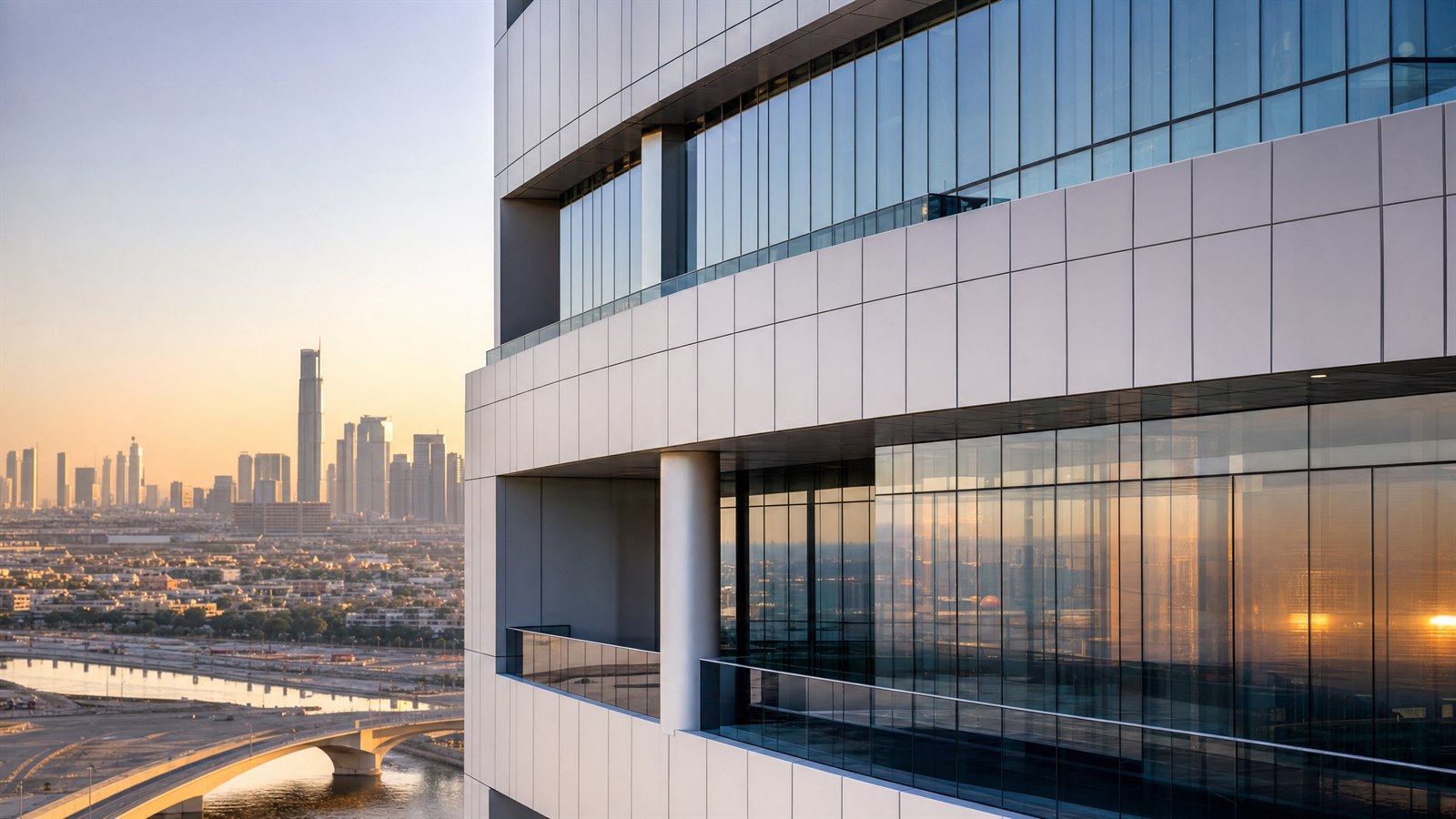
A facade panel replacement in Business Bay stalled at approval last month. The supplier's fire certificate had lapsed. The panel itself was fine; the paperwork proving it was not. That single gap is the whole story of the UAE fire code 2024 update: what you install, who installs it, and how you prove it, did not stand still after the 2018 edition.
Owners keep asking whether a brand-new code dropped. It did not. Dubai Civil Defence treats the UAE Fire and Life Safety Code of Practice as a living document, revised through annexures and added chapters rather than one grand re-release. So the useful question is not "which edition" but "which rules bite now."
From the 2018 edition to the current rules
The 2018 edition was the heavy one. It added hundreds of pages, a chapter setting out the responsibilities of each stakeholder, and a rule that whole facades be tested rather than single components. It also turned registration and licensing of installers and consultants into a hard requirement, not a nicety.
Everything since has sharpened that base. The amendments running toward 2024 focus less on new system types and more on accountability: proving a material is what its datasheet claims, and proving the company that fitted it was approved to do so.
Two words carry most of the weight now. Certified, and documented.
What the UAE fire code 2024 update actually changes
Group the shifts into four buckets and the picture gets clear.
Materials and certification. Fire-rated products such as doors, cladding, dampers and ducts increasingly need a Dubai-specific certificate of conformance from a Civil Defence-authorised body, not just a foreign test report. The supply chain is being pulled into scope.
Facade and cladding. Non-combustible, tested systems for new high-rise work, with the assembly judged as a whole rather than panel by panel.
Stakeholder duties. The consultant carries responsibility from design through handover. Installers and suppliers must be registered and licensed.
Existing buildings and maintenance. Owners keep systems operational, report modifications to the authority, and renew their safety certificate every year.
None of this is exotic. It is the same direction of travel set in 2017, now applied with far less tolerance for missing evidence.
QSERV is DCD-approved and can audit your facade, systems and records against the current Civil Defence code before your next renewal.
Facade and cladding: the part that worries owners
This is where owners of older towers get nervous, so let me be plain about it.
The current code does not order every existing building to strip its cladding. An older tower can keep a legacy facade as long as it is maintained, inspected and safe. The trigger is work. Replace panels, run a major refurbishment, or repair a damaged section, and the new material and the firm fitting it must meet today's fire and life safety requirements.
In practice, that catches people mid-project. A refurbishment budgeted around cheaper composite panels gets rejected at approval because the system is not certified for the building height, and the job stops while a compliant assembly is sourced and signed off.
Here is my stance. Check the facade certification before you sign any refurbishment contract, not after the scaffold is up.
The panel being safe is not enough. The paper proving it, and the licence of the firm fitting it, are now part of the safety case.QSERV compliance team
The trade-off is real. Certified non-combustible systems cost more up front than the composite panels they replace. Set against a rejected facade, a stalled site and a delayed occupancy sign-off, the certified route is usually the cheaper number by the time the job closes.
What it means for your AMC and records
The maintenance side changed less in wording and more in scrutiny.
Renewal still runs on three things: an annual safety certificate, an active Annual Maintenance Contract with a DCD-approved contractor, and clean service records. What inspectors probe harder now is the evidence trail. Dated reports, engineer signatures, pass or fail results, and proof that any building modification was declared rather than done quietly.
If your systems work but your file is thin, you are exposed. We see it often. Good equipment, weak paperwork, failed renewal.
The fix is dull and effective: treat the record as part of the asset, not an afterthought. A contractor who leaves you a signed, dated report after every visit is doing half the compliance job for you.
| Theme | 2018 edition | Toward the 2024 update |
|---|---|---|
| Cladding | Tested non-combustible systems for new and major works; whole-facade testing | Dubai-specific certificate of conformance; supply chain in scope |
| Existing buildings | Maintain and evaluate; retrofit triggered by major work | Same principle, tighter modification reporting |
| Contractors | Installers and consultants registered and licensed | Registration checks reach down to material suppliers |
| Maintenance | Annual certificate plus AMC with an approved firm | Same rules, closer record scrutiny at renewal |
Where to start
Do three things this quarter. Pull your facade and fire-rated material certificates and confirm they are current and Dubai-issued. Check that your AMC contractor is DCD-registered and your service file has no gaps. Log any modification you made this year that never reached the authority.
For the wider picture, read our guides to fire safety compliance in Dubai and Civil Defence certificate renewal. If you would rather have it checked for you, QSERV's fire and MEP services team can run the audit and close the gaps before your renewal date comes around.


