Keeping your Civil Defence certificate renewal Dubai on schedule is vital for any building owner or facility manager in the UAE. Without a current Civil Defence safety certificate, your building cannot legally operate.
Trade licences, hotel permits, healthcare approvals, and most other government licences depend on this certificate being valid.
What the Civil Defence Safety Certificate Covers
The Civil Defence safety certificate is an official document from Dubai Civil Defence. It confirms that a building's fire safety systems are properly installed, tested, and maintained.
The certificate follows the UAE Fire and Life Safety Code of Practice and NFPA standards. It is not a one-time approval. You must renew it every 12 months.
The renewal process requires:
- An active Annual Maintenance Contract with a DCD approved contractor
- Up-to-date maintenance records
- A satisfactory physical inspection
The certificate matters beyond simple regulatory compliance.
Why it matters:
- Most UAE commercial property insurers require a current certificate for coverage
- Trade licence renewals through Dubai Economy and Tourism are blocked without it
- Hotel DTCM permit renewals depend on it
- Property transactions now check certificate status before contracts are signed
Understanding this certificate is key to managing business risk for any organisation in Dubai.
The Renewal Process Step by Step
The Civil Defence certificate renewal Dubai process begins with a full maintenance service by your DCD approved contractor.
Systems covered include:
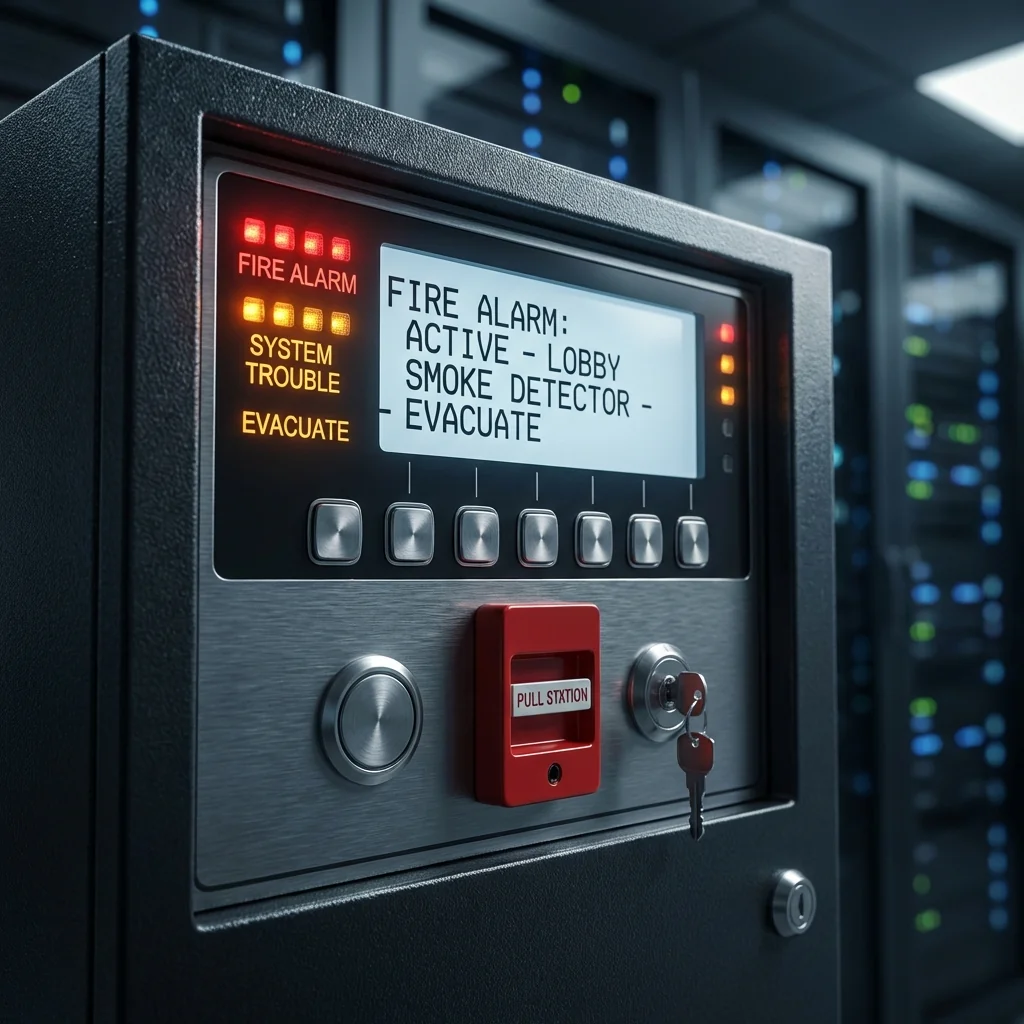
- Fire alarm panel and all detection devices
- Sprinkler system (including pump and pressure tests)
- Fire extinguishers
- Emergency lighting and exit signage
- Fire hose reels
- Fire doors
- Any suppression systems
Any issues found must be fixed before the DCD inspection is requested.
A critical element is Hassantuk, Dubai Civil Defence's mandatory fire alarm monitoring network.
Every commercial and industrial building in Dubai must have its fire alarm panel connected to Hassantuk with a current subscription. DCD checks this connection during every inspection.
A building without an active Hassantuk signal cannot get certificate renewal, even if all physical systems are in good condition.
Once maintenance is complete and Hassantuk is confirmed, your contractor submits the inspection application through the DCD portal.
Required documents include:
- Current AMC
- Maintenance reports
- Extinguisher service certificates
- Previous certificate
DCD typically schedules an inspection within 5 to 15 working days. A DCD inspector visits the building, reviews all documents, and tests systems. They may also run a live Hassantuk test.
If issues are found, a written notice is issued. You must fix the problems and schedule a re-inspection. Once the building passes, DCD issues the renewed certificate.
It is valid for 12 months and is typically available within 3 to 7 working days via the online portal.
Common Reasons Renewal Fails
Based on hundreds of certificate renewals in Dubai, the most common failure reasons are predictable.
Top failure causes:
- Hassantuk monitoring inactive or disconnected (often due to lapsed subscriptions)
- Smoke detectors not properly tested or showing faults on the panel
- Fire extinguishers overdue for annual service
- Expired emergency lighting batteries
- Sprinkler heads blocked by storage placed too close to the ceiling
Less visible but critical failures:
- Fire doors wedged open with closers removed
- Exit signs not lit or blocked from view
- No Annual Maintenance Contract on file
DCD will not process a renewal application without an active AMC. The best way to ensure a first-time pass is to conduct a pre-inspection audit 6 to 8 weeks before the renewal date.
How QSERV Manages Your Renewal
QSERV Technical Services is a DCD approved fire safety company. We manage the complete Civil Defence certificate renewal process for building owners and facility managers across Dubai and the UAE.
Our services include
- Annual maintenance programme with all required system servicing
- Documentation to DCD standards throughout the year
- Comprehensive pre-inspection audit before each renewal
- Identifying and fixing every deficiency
- Submitting all documentation through the DCD portal
- Attending inspections in person with the DCD inspector
- Rapid response team to address minor issues within 24 to 48 hours
Frequently Asked Questions
Q: What happens if my Civil Defence certificate expires?
Operating with an expired certificate is a legal violation. DCD can issue fines from AED 1,000 to AED 50,000. Trade licences, hotel permits, and other approvals will be blocked until a valid certificate is in place.
If a fire occurs in a building with an expired certificate, insurance claims can be contested or denied.
Q: Can I renew the Civil Defence certificate without an Annual Maintenance Contract?
No. DCD requires evidence of a current AMC with a licensed contractor as part of the renewal application. Without it, the inspection application will not be accepted. Engaging a DCD approved contractor and signing an AMC is the essential first step.
Q: How long does the DCD inspection and renewal process typically take?
From submitting the inspection application to receiving the renewed certificate, the process typically takes 3 to 5 weeks. QSERV begins pre-inspection preparation 6 to 8 weeks before the renewal date to ensure a comfortable timeline and avoid any risk of the certificate lapsing.
Explore the DCD Certificate Renewal Cluster
Each page below goes deeper on one part of the Civil Defence certificate renewal.
For broader services, see QSERV's Fire Systems AMC Dubai page.
Get Renewal Support
Need help before your inspection date? Visit DCD Certificate Renewal Dubai or book a Fire Safety Inspection Dubai with QSERV.


