
Fire safety training in Dubai is not optional. It is a legal duty under UAE labour law and DCD's Fire and Life Safety Code of Practice. Inspectors check for it during building inspections.
Installed fire systems protect buildings. But trained people protect lives. The gap between a controlled evacuation and a dangerous, disorganised one comes down to whether staff were properly prepared.
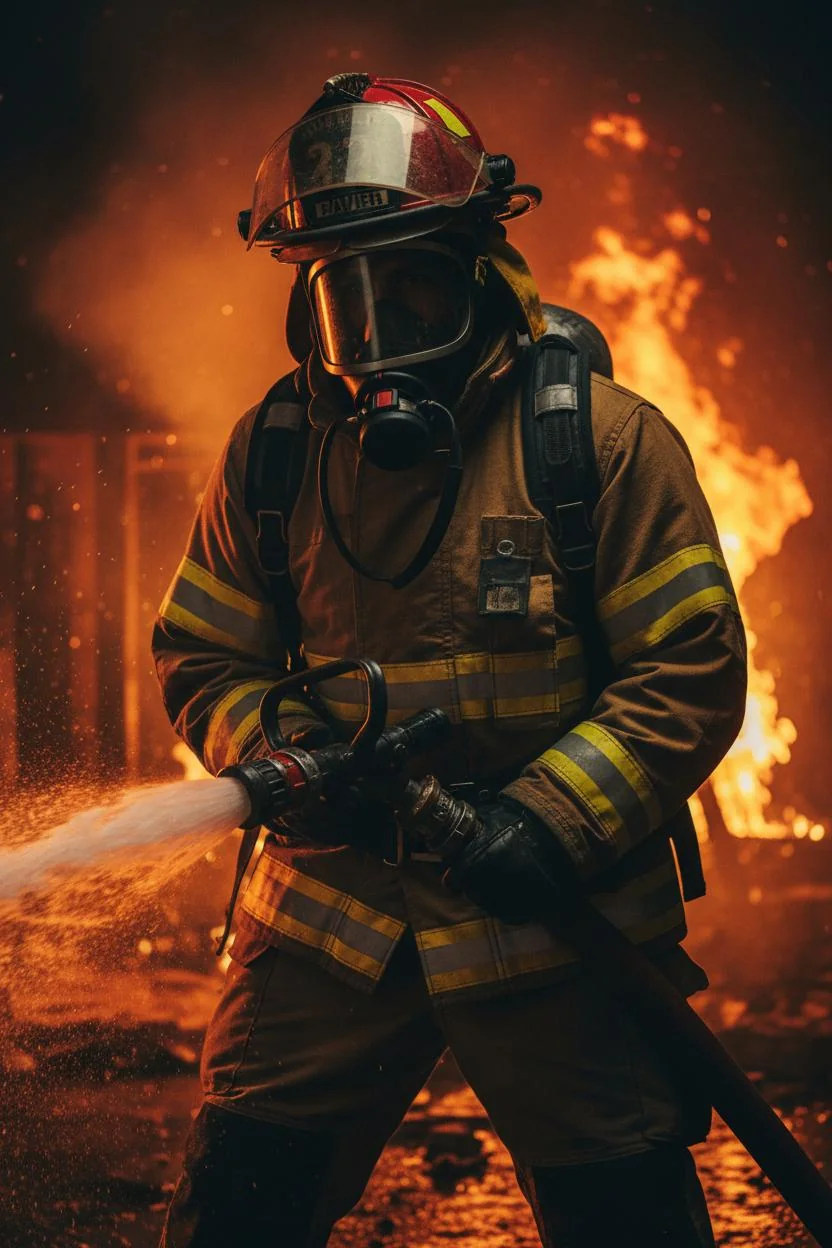
Why Fire Safety Training Is a Legal Requirement in the UAE
UAE labour rules and DCD's Fire and Life Safety Code work together here. Every employer must take reasonable steps to protect staff and visitors from fire. Those steps clearly include training.
DCD inspectors look for proof of training. Missing records can directly cause non-renewal of the Civil Defence safety certificate, with real financial and operational fallout.
The practical case is just as strong. Several documented workplace fires in the UAE caused injuries because staff did not know how to respond. They could not find exits or assembly points, or they made things worse by using the wrong extinguisher.
The duty goes beyond general awareness. It includes appointing and training designated fire wardens. Many small and medium businesses in Dubai overlook this until an inspection exposes the gap.
These obligations apply across all sectors:
- Commercial offices in free zones and on the mainland
- Hotels and hospitality venues
- Healthcare facilities
- Schools
- Retail and shopping mall tenants
- Industrial facilities
- Active construction sites
No UAE workplace is exempt from the basic duty to train staff.
What Fire Safety Training Must Cover
DCD-compliant training in Dubai covers three levels. Each one targets a different audience in the organisation.
Fire warden training is the most detailed level. Every workplace must appoint at least one trained warden per floor, or per twenty to twenty-five employees, whichever is stricter.
Fire wardens coordinate the evacuation, run headcounts at assembly points, help people with limited mobility, and brief Civil Defence crews on arrival. Their training covers fire behaviour, how to use the alarm system, room sweep procedures, and when to attempt suppression versus evacuate at once. It usually runs a half or full day. Refresh it every two years, or after major changes to the premises or procedures.
General staff awareness training must go to every employee at induction, then once a year. It covers the alarm signal, the correct escape routes, why lifts must never be used in a fire, how to raise the alarm at a call point, and the basic extinguisher types in the building. It is usually a ninety-minute session and can be set around shift patterns to avoid disruption.
Practical extinguisher training gives staff hands-on confidence with the equipment. It teaches the PASS technique: Pull the pin, Aim at the base, Squeeze the handle, Sweep side to side. It also explains when to use an extinguisher and when to simply evacuate. And it covers which extinguisher class suits which fire, including the key rule that water and foam must never go on live electrical equipment.
Evacuation Drills: The DCD Requirement Most Businesses Get Wrong
DCD requires evacuation drills at least once a year for most commercial sites, and twice a year for hotels, hospitals, and schools. A drill is not just pulling the alarm and watching people leave.
It must be planned with clear objectives. A fire safety professional should observe it. Time it from alarm to a full clear at the assembly point. Then document it in a written report covering evacuation time, headcount, and any failures found.
That report is what DCD inspectors ask to see. A drill that was run but not documented has no compliance value. A report that lists failures with no corrective action plan is just as weak.
The corrective action matters as much as the drill. That might mean clearing a blocked exit, replacing a damaged sign, or retraining a warden who missed their sweep.
How QSERV Delivers Fire Safety Training in Dubai
QSERV Technical Services delivers DCD-compliant training for all occupancy types across Dubai and the UAE. Our trainers are DCD-approved fire safety professionals with broad experience across commercial, hospitality, healthcare, and industrial sites.
We deliver fire warden training, general staff awareness sessions, and practical extinguisher training with inert-discharge equipment. We also run fully managed evacuation drills, including the written report DCD needs.
Annual training contracts are available for organisations with ongoing compliance programmes across several sites or training cycles.
Frequently Asked Questions
Q: Is fire safety training mandatory for all Dubai workplaces?
Yes. Dubai Civil Defence and UAE labour law require every employer to provide fire safety training and to appoint trained fire wardens.
DCD inspectors check training records during building inspections. Missing records can directly contribute to non-renewal of the Civil Defence safety certificate.
Q: How often must fire warden training be refreshed?
Refresh fire warden training every two years. Do it sooner if the building layout changes a lot, new emergency procedures are adopted, or key wardens leave and are replaced. General staff awareness training should be refreshed every year for all employees.
Q: What documentation do I need to show DCD for fire safety training compliance?
DCD inspectors look for signed training records that name each participant, the date, the content covered, and the trainer's credentials.
For evacuation drills, they want a written report with the date, evacuation time, headcount, any failures found, and the corrective actions taken. QSERV provides all of this as part of every training engagement.
Explore the Fire Safety Training Cluster
Each page below goes deeper on one part of Dubai fire safety training.
For broader services, see QSERV's Fire Systems AMC Dubai page.


